
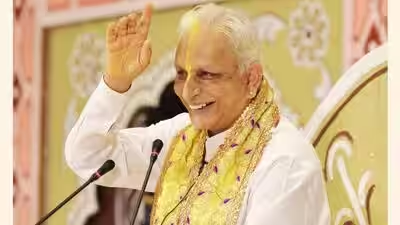

Sri M’s story starts far from the Himalayan caves he later became known for. Born as Mumtaz Ali Khan on November 6, 1948, into an affluent Muslim family in Thiruvananthapuram, Kerala, his path toward spirituality began unusually early. He has spoken about beginning to meditate at just nine years old, without even understanding what meditation was at the time, simply lying down, closing his eyes, and enjoying the stillness. Around that same age, he described a brief but striking encounter in his backyard with a stranger who seemed different from everyone else, an encounter that would later turn out to be deeply significant. Uninterested in conventional studies and drawn instead toward a bigger calling, he left home at 19 in search of spiritual knowledge, heading toward the Himalayas.
Finding the guru who was already looking for him
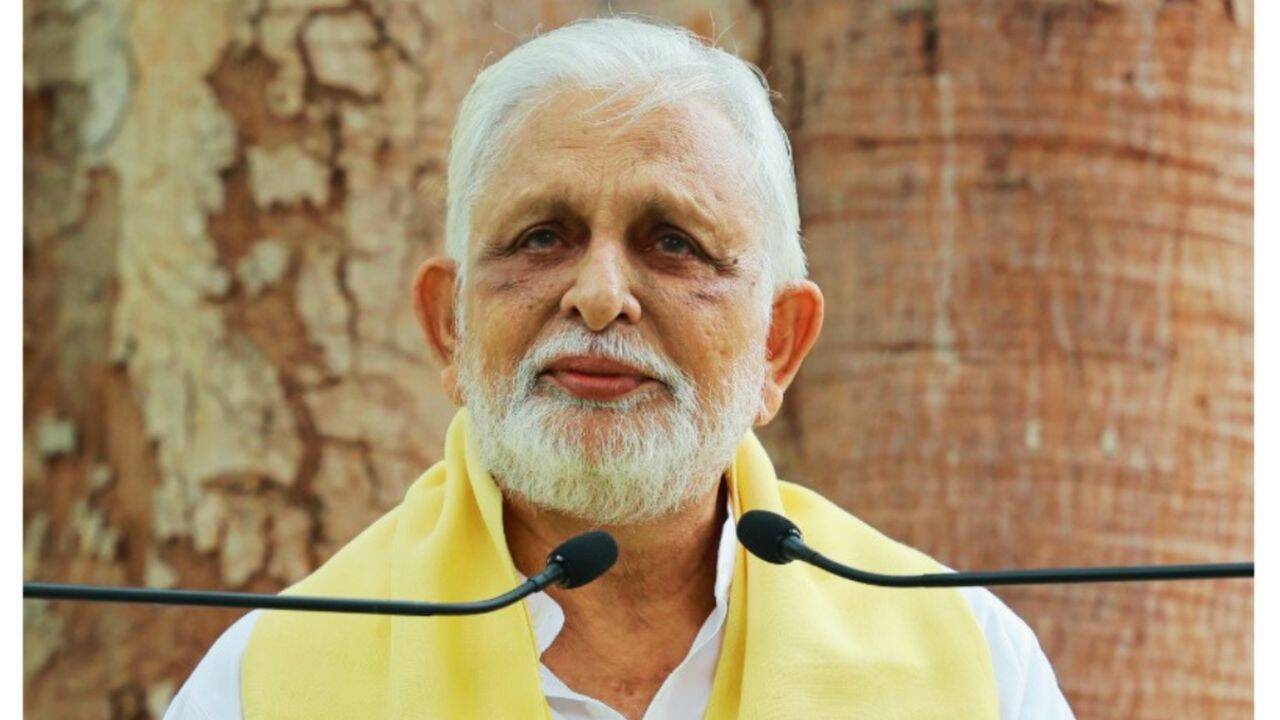
His journey wasn’t easy. According to his own account, the longer he searched, the more disheartened he became, unable to find a guru who truly understood him. That changed when he reached a small cave called Vyasa Guha, a few kilometres beyond the Badrinath temple. There, he came across a man sitting by a fire, the very same figure he had briefly encountered in his backyard as a nine-year-old. This was Maheshwarnath Babaji, who welcomed him warmly and went on to train him in the Upanishads, Kriya yoga, and meditation over the next two and a half years. It was Babaji who gave him the name Madhukarnath, in keeping with the Nath tradition, which is where the “M” in Sri M eventually came from, standing not just for his own name but also for Manushya and Manava, meaning human being.
Becoming a teacher, almost by accident
Interestingly, Sri M didn’t set out to become a spiritual teacher right away. For years after returning from the Himalayas, he simply attended satsangs, sharing thoughts and ideas without formally teaching anyone, as per his guru’s instructions. It was only after receiving what he described as a cue from Babaji and following a request from a group of people at a satsang in Bangalore in the early 1990s that he began sharing his Himalayan experiences publicly. That’s how the Satsang Foundation eventually came into being, an organisation now dedicated to spiritual and educational upliftment.
Educating tribal children in Andhra Pradesh
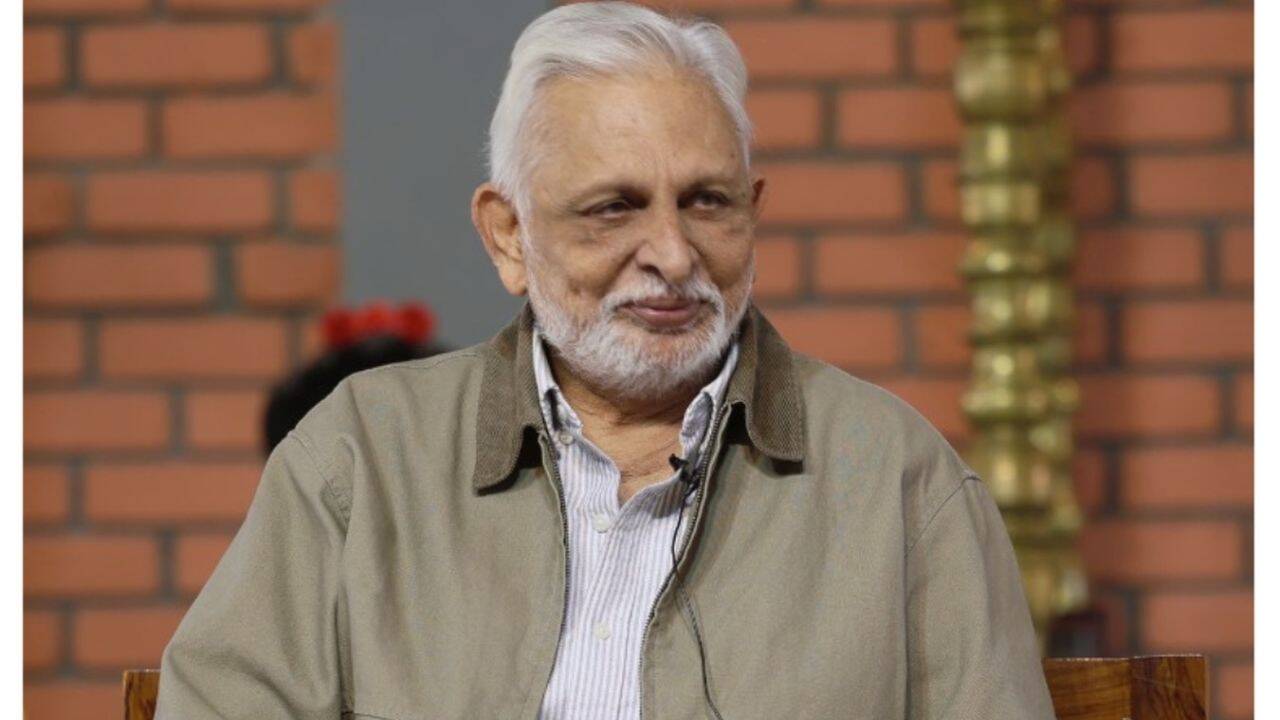
One of the most tangible parts of Sri M’s work involves the Satsang Foundation’s schools in Madanapalle, Andhra Pradesh, where he lives in a house called Snow White. When he arrived in the area in 1999, he found local children tending cows instead of attending school, simply because no school existed nearby. After securing permission from their parents and recruiting a teacher from the nearby Rishi Valley School, he started what would eventually grow into a full-fledged institution. What began with just 20 children accepting the offer has since grown to educate hundreds of tribal children, providing them with free schooling, food, and books.
The Walk of Hope : a padayatra that actually happened
Sri M is widely known for the ‘Walk of Hope,’ a padayatra he undertook from Kanyakumari to Kashmir. It’s worth clarifying here that this walk isn’t an upcoming event; it took place between January 12, 2015, and April 29, 2016, covering roughly 7,500 kilometres across 11 Indian states over about 15 months. The walk began on Swami Vivekananda’s birth anniversary and concluded in Srinagar. Sri M undertook the journey to promote interfaith harmony and social inclusion, walking alongside people from many different backgrounds, halting each evening at temples, churches, gurdwaras, or wherever shelter was offered, and holding community dialogues and interfaith prayers along the way.
Recognition, writing, and a life away from the spotlight of social media
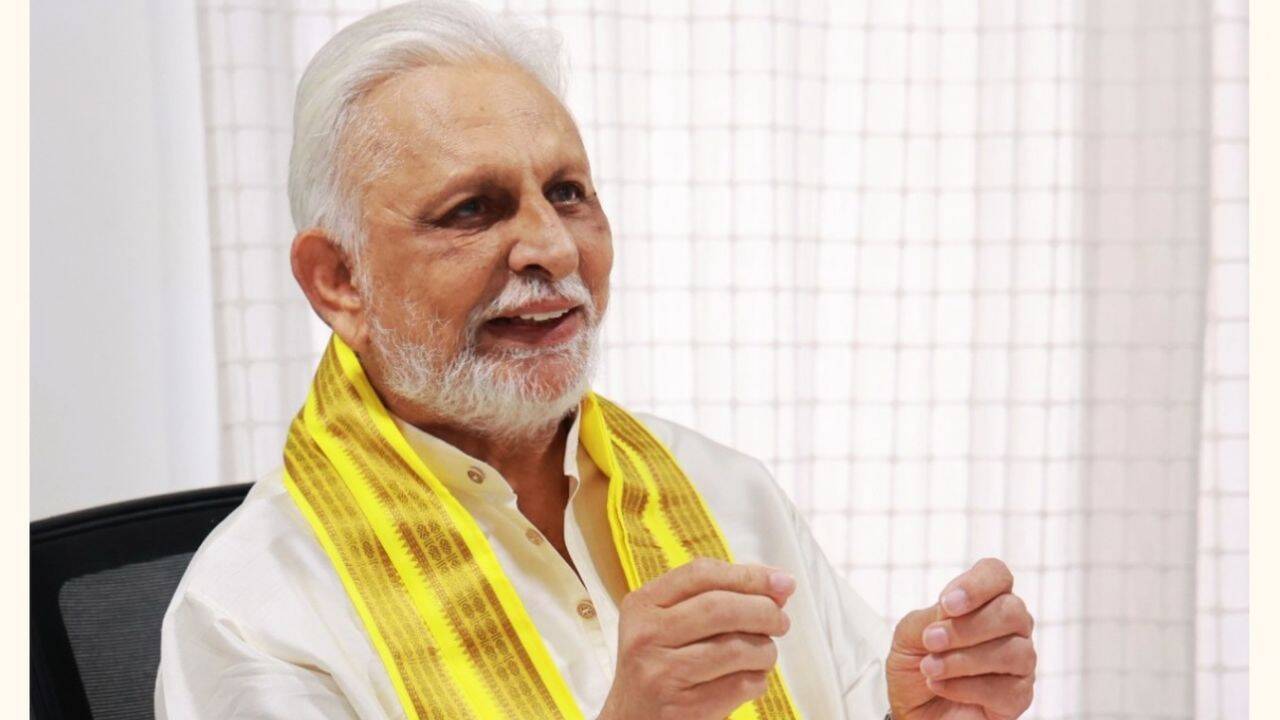
In 2011, Sri M published his autobiography, Apprenticed to a Himalayan Master, which went on to become widely read and translated into multiple languages. He also authored Wisdom of the Rishis, exploring the teachings of the Upanishads. In 2020, his contributions to spirituality and society were formally recognised when he was awarded the Padma Bhushan, India’s third-highest civilian honour. Despite his growing following, Sri M has always maintained he isn’t interested in blind believers. He has spoken about wanting people to observe how he lives before deciding whether to follow him, rather than following him simply because someone else recommended it. He remains married, with two children whom he has intentionally kept away from Satsang activities, allowing them to build their own lives and beliefs. Though he acknowledges the usefulness of technology, he has never used platforms like Facebook or Twitter.
A life built on walking, quite literally
Now in his late seventies, Sri M continues to be associated with the philosophy that grounding oneself, quite literally through walking, helps build a deeper connection with people and place. From a curious boy in Kerala meditating without knowing what meditation was to a guru who walked thousands of kilometres across India preaching unity, Sri M’s journey remains one shaped less by doctrine and more by lived experience, humility, and a consistent refusal to separate spirituality from everyday, practical life.